THE COFFEE
The plant
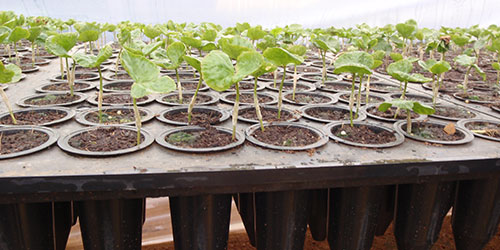
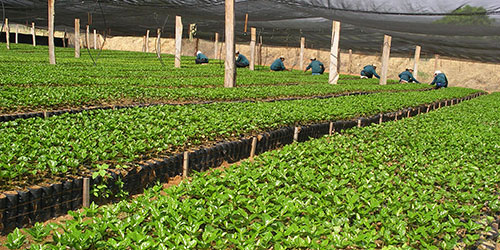
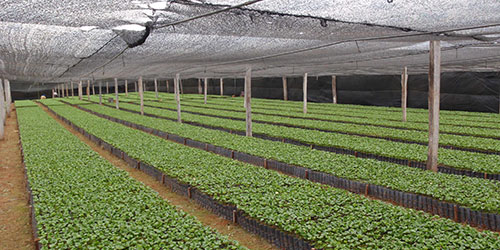
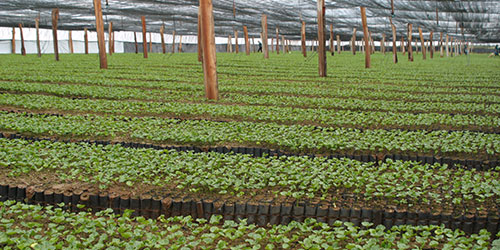
Coffee nursery
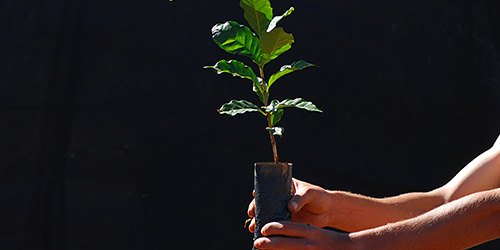
Coffee is the product of the union of the sun, soil, water, and the painstaking care taken by man. It is from the very beginning in the plant nurseries that man plays a crucial role in the development and growth of the coffee plants.
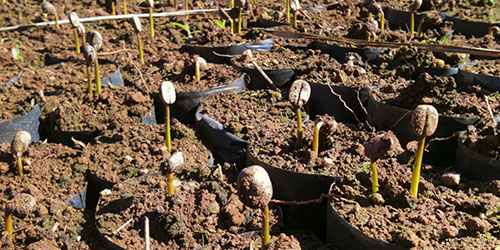
Before being planted in soil, the small coffee seedlings need to stay in a monitored environment (the plant nursery) to go through the pre-germination and germination phases.
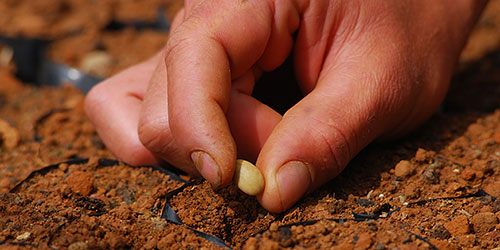
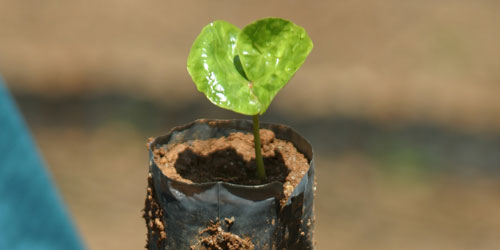
Pre-germination occurs by placing coffee seeds between two moist jute bags. Once germinated, the seeds are sowed, in small containers, in a plant nursery. These nurseries need to have strictly monitored conditions and providing plants with the right amount of direct exposure to the sun as well as – most importantly during this phase – to shade.
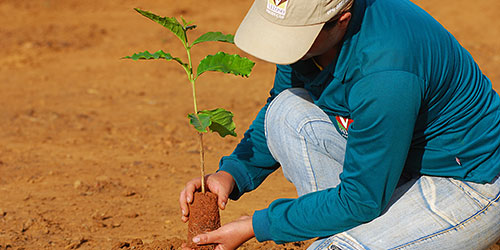
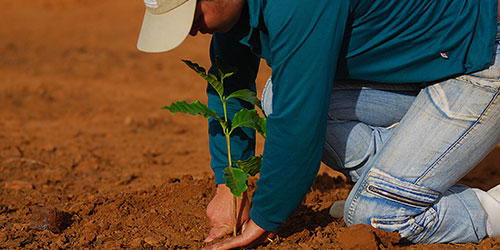
Once this initial and most delicate phase is over, the coffee plants are exposed to direct sunlight for two months: during this time, the trunk becomes woody and only then can they be transplanted to its final location.
The Coffee Plant
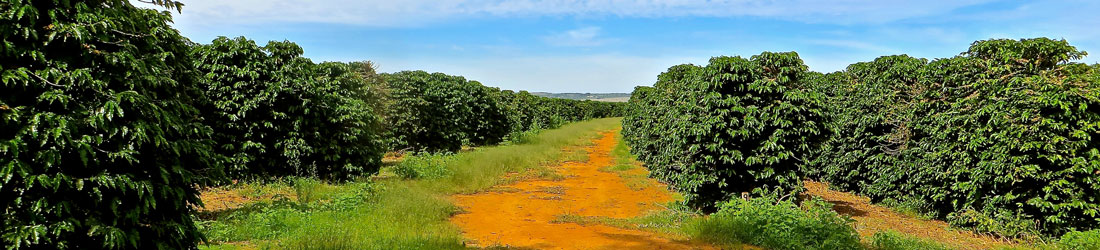
The Coffee Plant is a tropical plant which is best grown in the belt between the two Tropics, at altitudes that range from 200 and 2000 meters, and temperatures between 15 and 25° C, in a warm and wet environment where heavy rain alternates with dry seasons.
There are many species of the existing Coffea plants, but only two are significant – economically speaking – for coffee production: the Coffea Arabica, or simply Arabica, and the Coffea canephora, commonly known as Robusta coffee.
Grown at high altitude, Arabica coffee is floral or fruity in character, quite acidic, with a low caffeine content. The highest-quality Arabica coffee is produced in the equatorial belt, between 1,000 and 2,000 meters where bright daylight and low night temperatures slow its ripening, and favour the germination of hard and aromatic beans.
Robusta Coffee – characterized by a more intense bitter taste and stronger body – grows in flatter, warmer and wetter areas, at altitudes between 100 and 800 meters.
Coffee production is spread over three wide geographical areas.
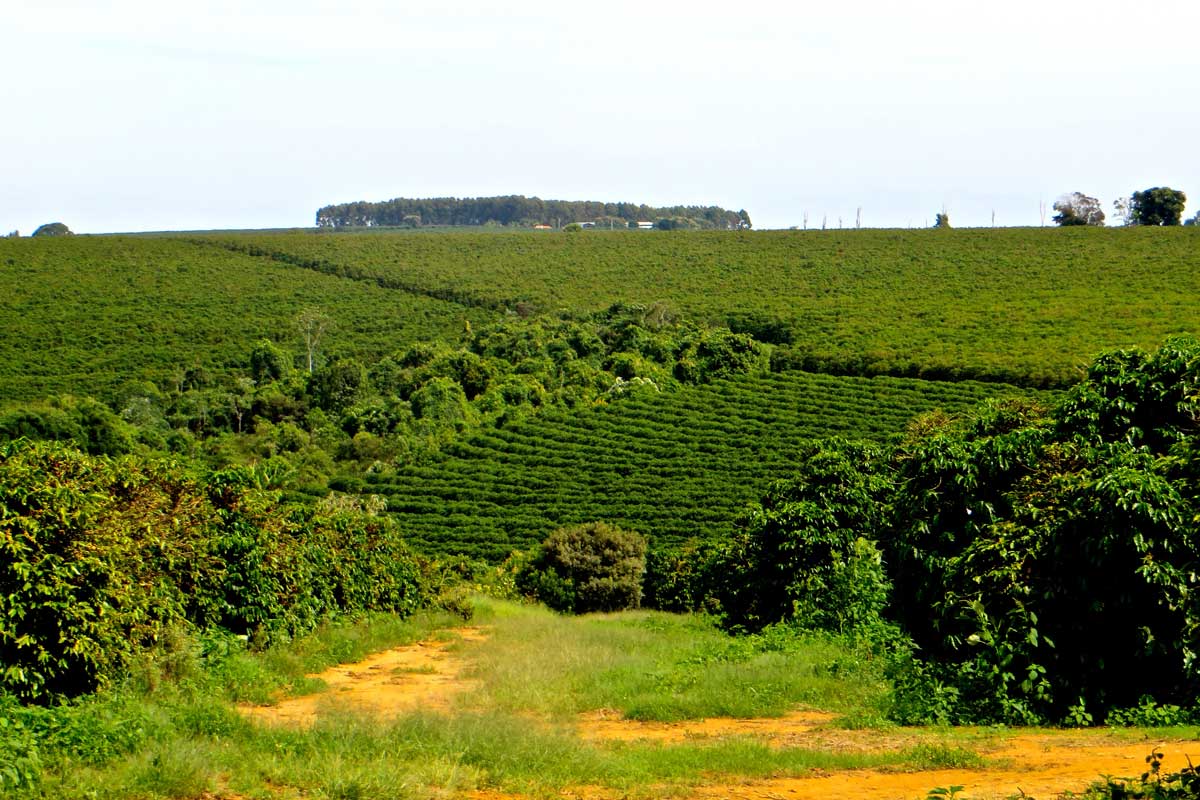
- 1) Central and South America: this area accounts for 70% of the world’s supply, mainly Brazil (the leading world producer), Colombia (third largest producer), El Salvador, Guatemala and Mexico.
- 2) Central Africa: this area accounts for 10% of the world’s supply, specifically the Ivory Coast, Ethiopia and Uganda.
- 3) Asia: this area accounts for 20% of the world’s supply, specifically Vietnam (second largest worldwide producer), Indonesia and India – and rising.
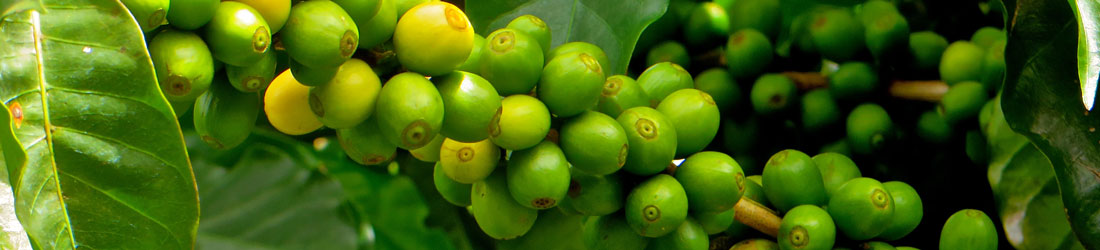
During their initial stage in plantations, coffee plants have large bright green leaves, but no sign of their distinctive red fruits, and grow vertical roots that develop several meters beneath the ground.
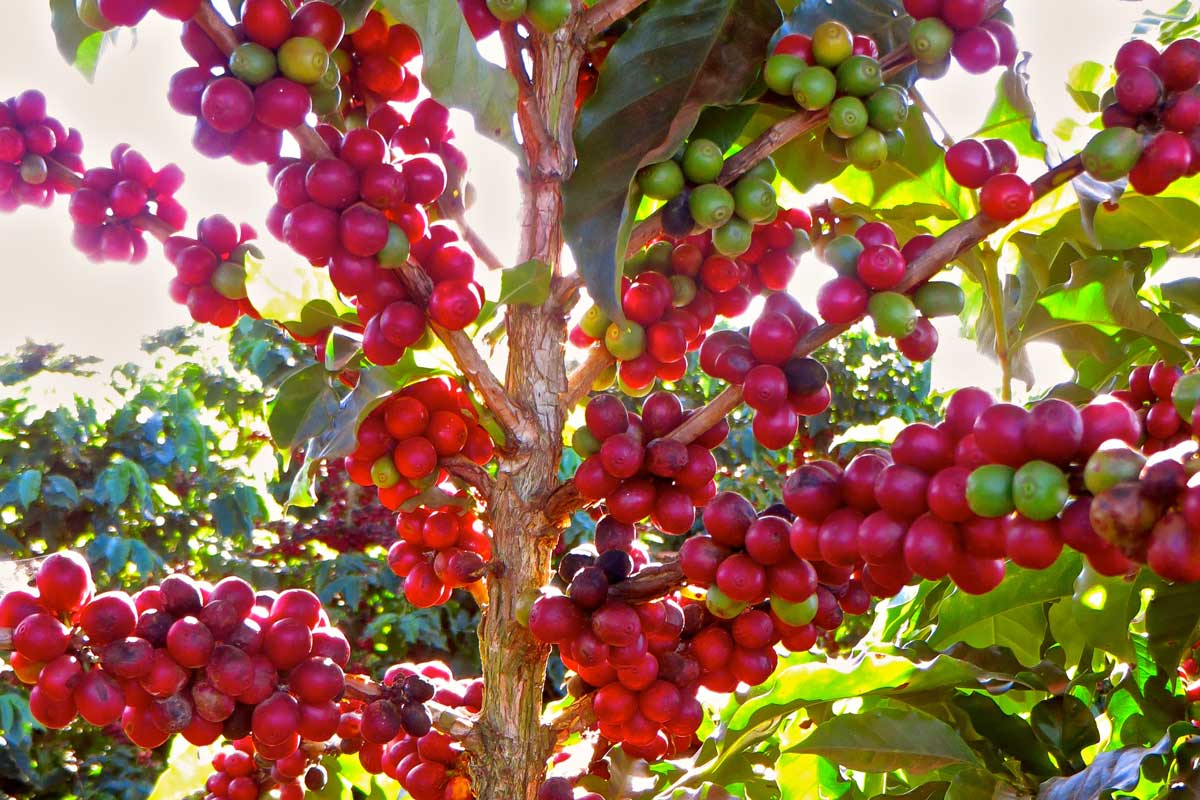
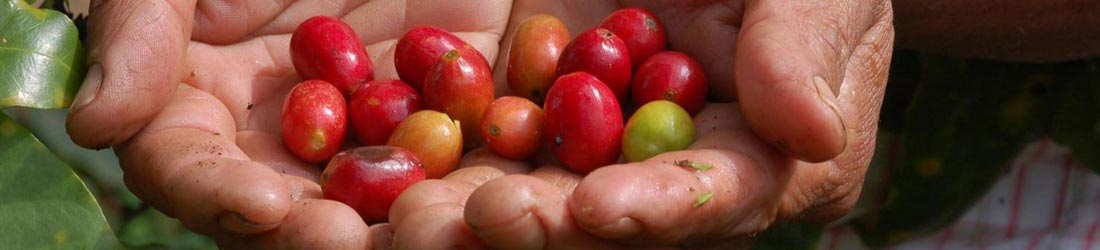
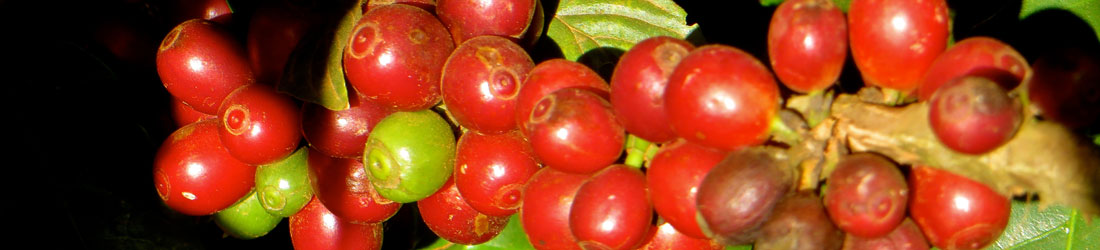
Plants do not start producing their small round cherries before four months, that, once ripened, turn bright red.
The bean
Flowering
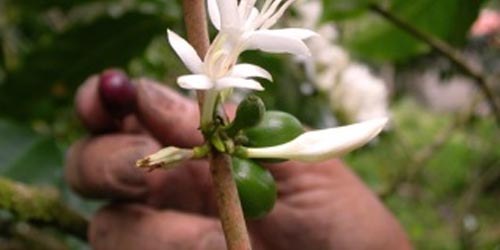
It is from flowers that, after a few months, fruits – also known as cherries or drupes – develop.
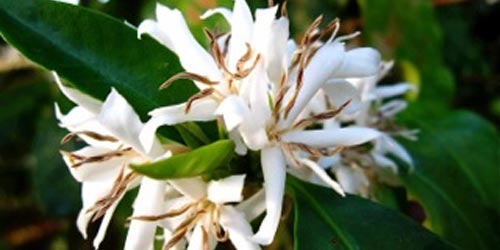
Coffee flowers have a characteristic white colour and give off a delicate jasmine scent. A few days after blossoming, flowers drop their petals: then, 6 to 9 months later for the Arabicas, and 9 to 11 months for the Robustas, flowers develop into fruits (the so-called “setting”).
The cherry
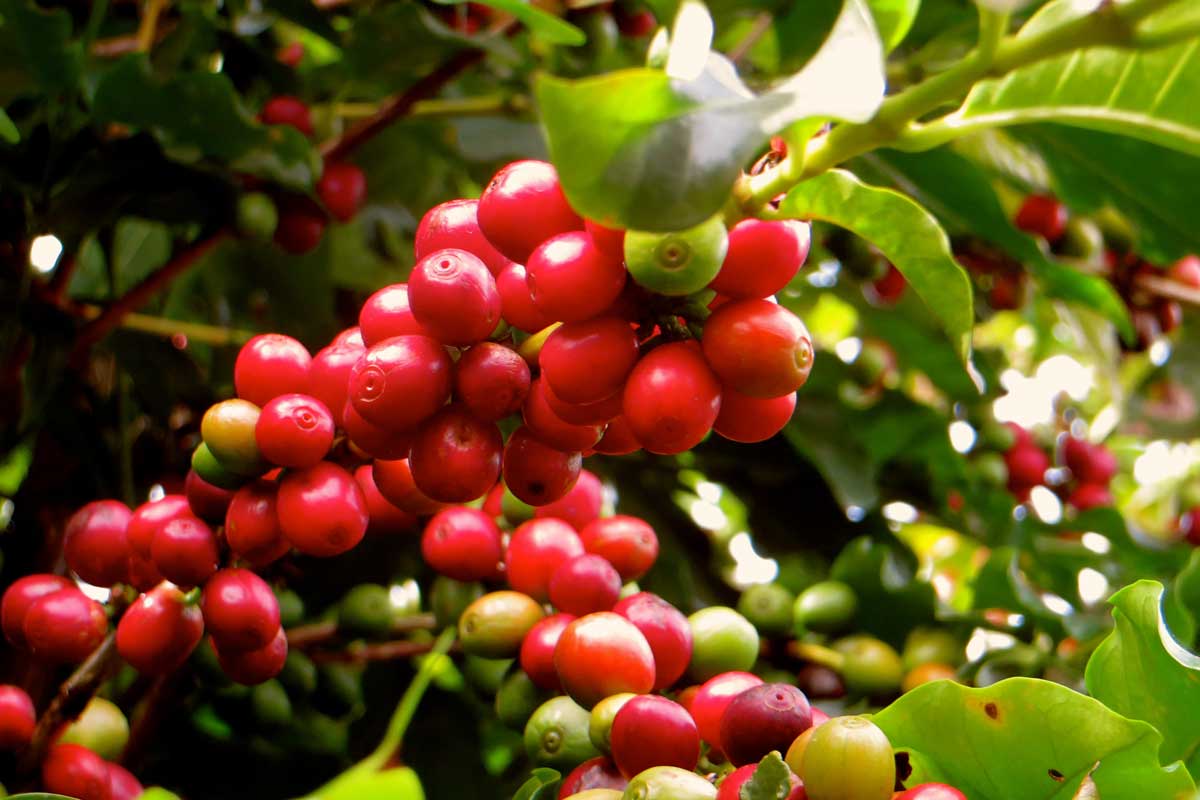
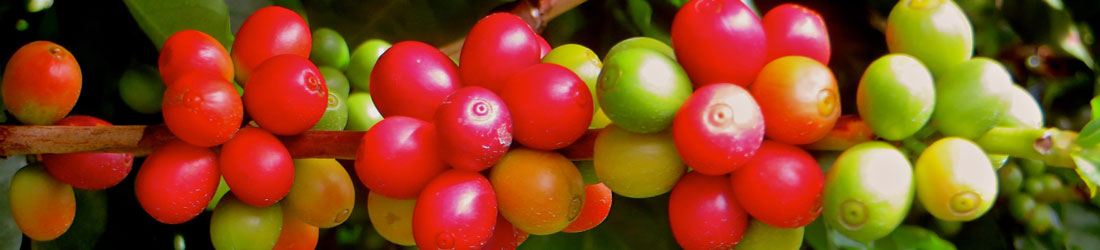
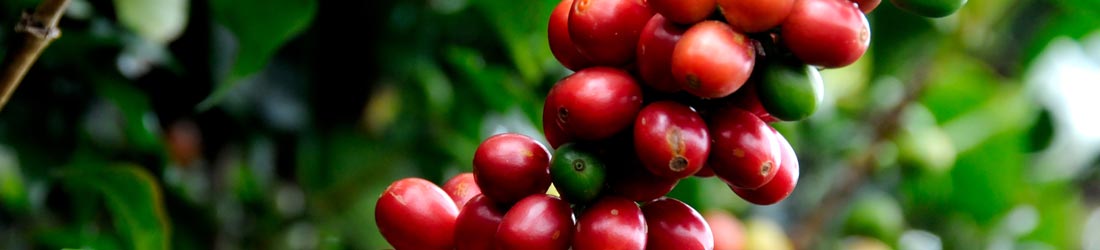
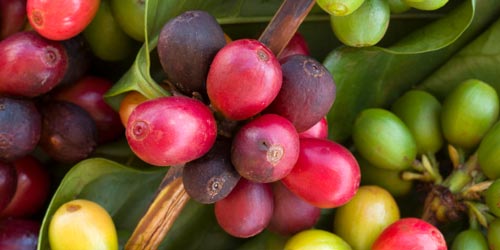
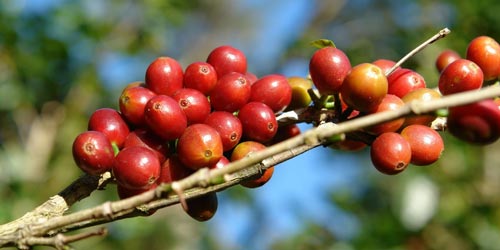
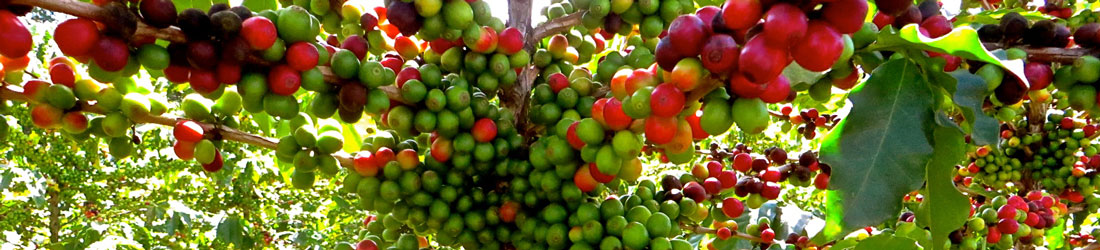
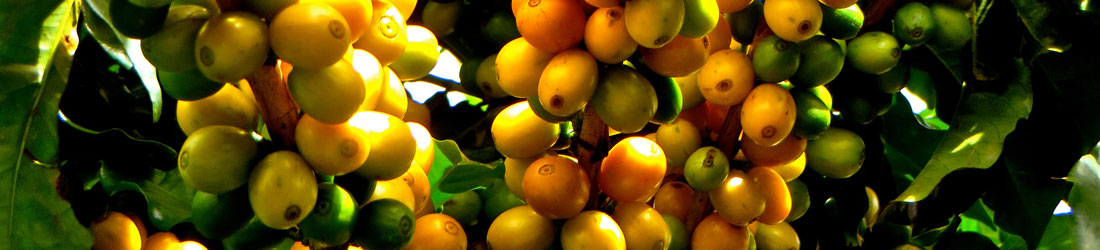
It is from cherries that coffee plants get their typical orange-red colour.
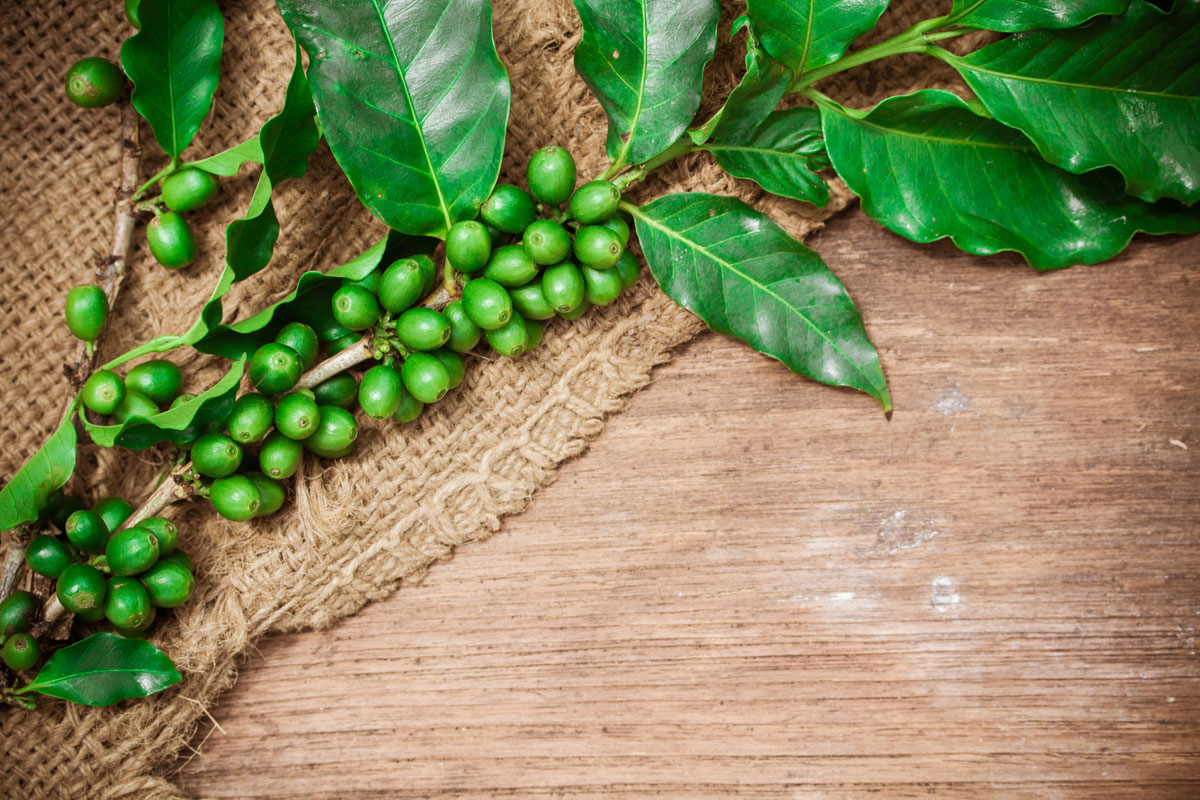
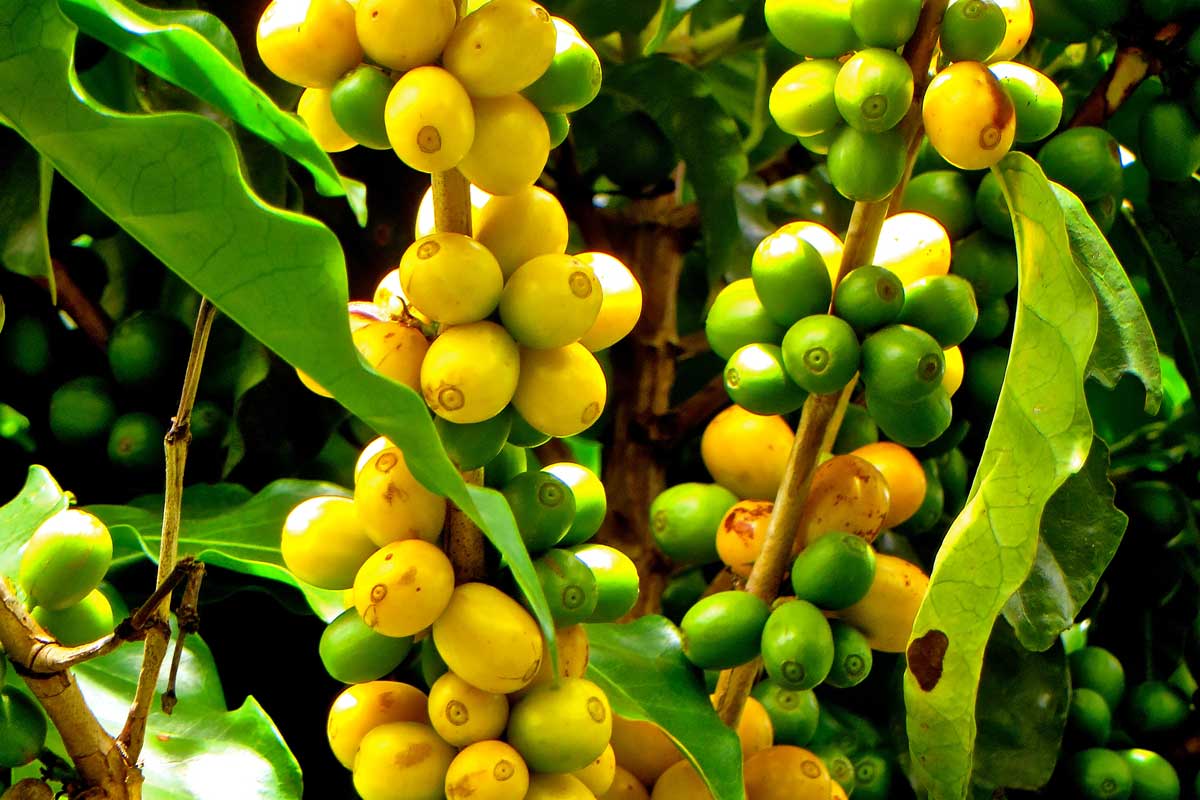
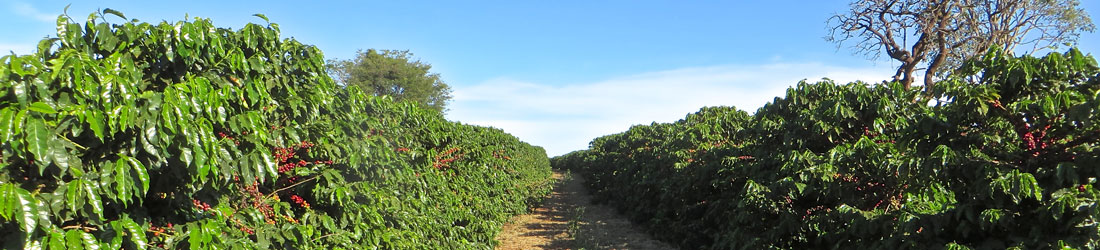
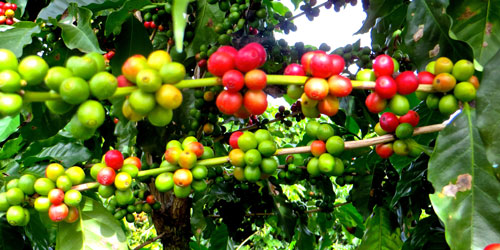
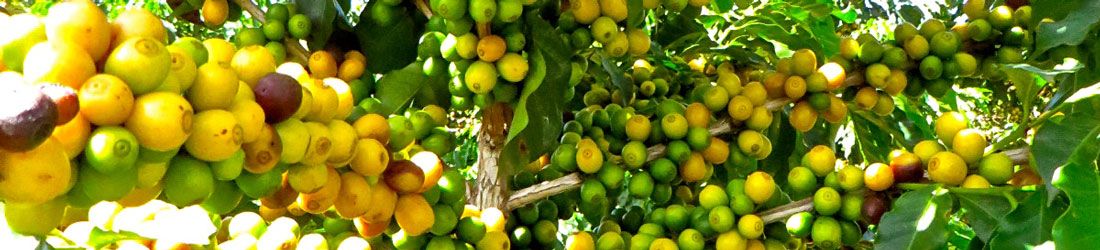
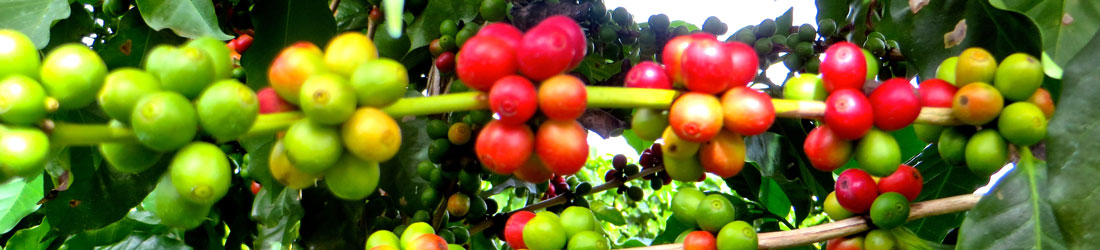
Cherries on the same branch can ripen at different stages. Initially green, they turn orange-red once ripening is complete.
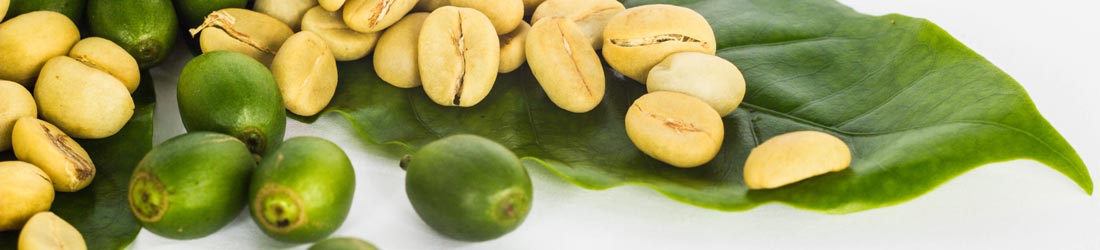
Drupes are 2-seeded fruits wrapped in a mucilage, which in turn is wrapped in a red and fleshy pulp. The two seeds – that will form the “green coffee” – are covered with a thick and white-ish skin called parchment (or pergamino) that functions as protection, while the innermost layer is a silver skin that perfectly adheres to the bean.
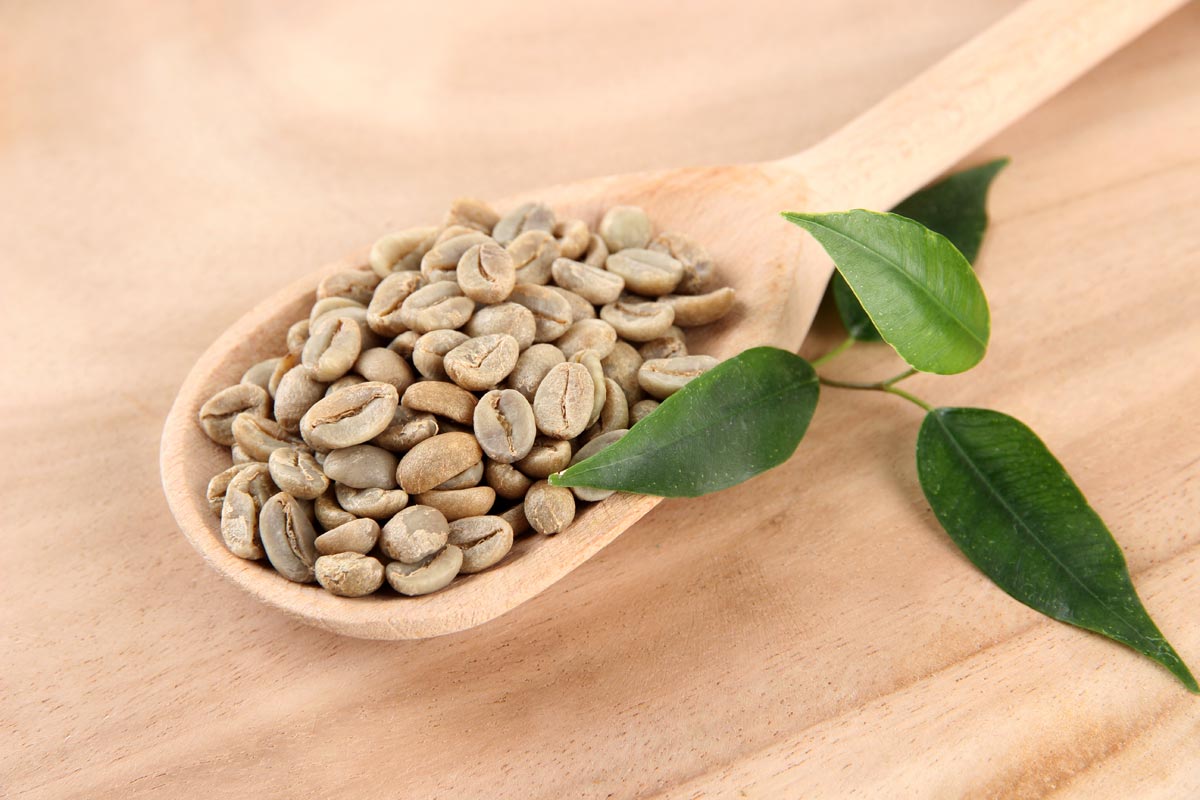
Arabica green coffee beans have an S-shaped center cut, while Robusta beans have a straight center cut, a more rounded shape and a pale green color with grey shades.
Processing
Picking
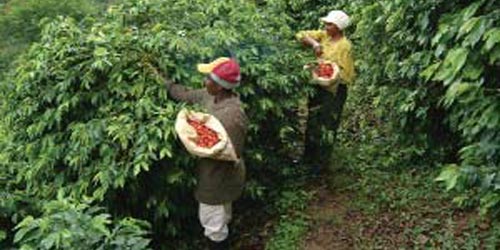
Picking is carried out by hand, so that only the ripe cherries are selected. This approach involves 6 to 8 pickings because even on one branch, drupes can have ripened to a different extent. Thanks to this technique, only the best beans are selectively picked, leaving aside those too green and astringent or too ripe and fermented.
Stripping
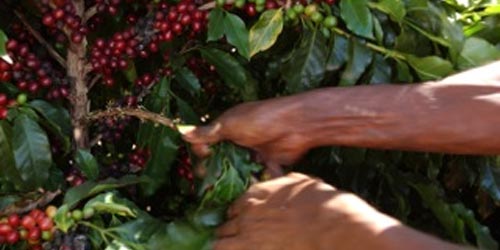
The stripping method involves the removal of all fruits from the tree, regardless of their state of maturity. The beans are removed from the branches and collected on canvases placed on the ground. It is then necessary to separate fruits from leaves, sticks and stones.
As well as these methods, over the last few decades, mechanized methods have also developed, especially where the landscape is relatively flat and the coffee fields even. The so-called mechanical method uses machines that shake the fruits off the branches.
Coffee Processing
Wet process
When coffee is wet processed, beans are:
– Pulped: the fruits are processed by machines that immerse them in a continuous flow of water, breaking their skin and pulp, and releasing the seeds.
– Fermented: the seeds, still covered with pulp mucilage and parchment, are immersed in water for 1 to 3 days, so that the mucilage ferments and breaks down.
– Washed: beans are washed in small channels by the use of flowing water
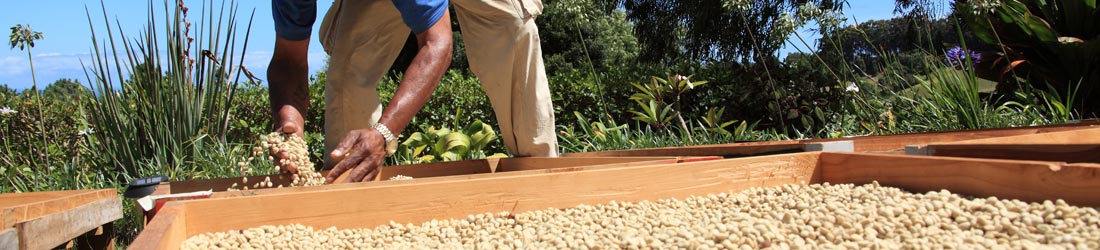
– Dried: coffee beans can be dried in the sun or using machines
– Hulled: beans are processed through a friction, roller or impact huller that gently removes the parchments without damaging them. They are then sorted by size through a series of sieves.
Wet processed coffees are sometimes referred to as ‘washed’ coffees, also known as Milds, i.e. top quality Arabicas.
Dry process
The dry method consists of drying the cherries on large surfaces, in the fresh air, for some days. When this method is used, the pulp is not removed in advance. Cherries are left to dry in the sun and regularly turned over with a rake to prevent their fermentation. It is also possible to carry out this process in ovens, with a quicker and more certain, even though qualitatively worse, outcome. When the pulp is dry, beans are hulled: they pass through a machine that breaks and removes their skin and parchment. Then they pass through screens and are separated from pulp and skin, and then sorted by size: from small to big, beans pass through the screen and are classified by size (“screen”).
Coffees processed with the dry method – much quicker and less expensive than wet processing – are referred to as “unwashed” or “natural” coffees.
Transport
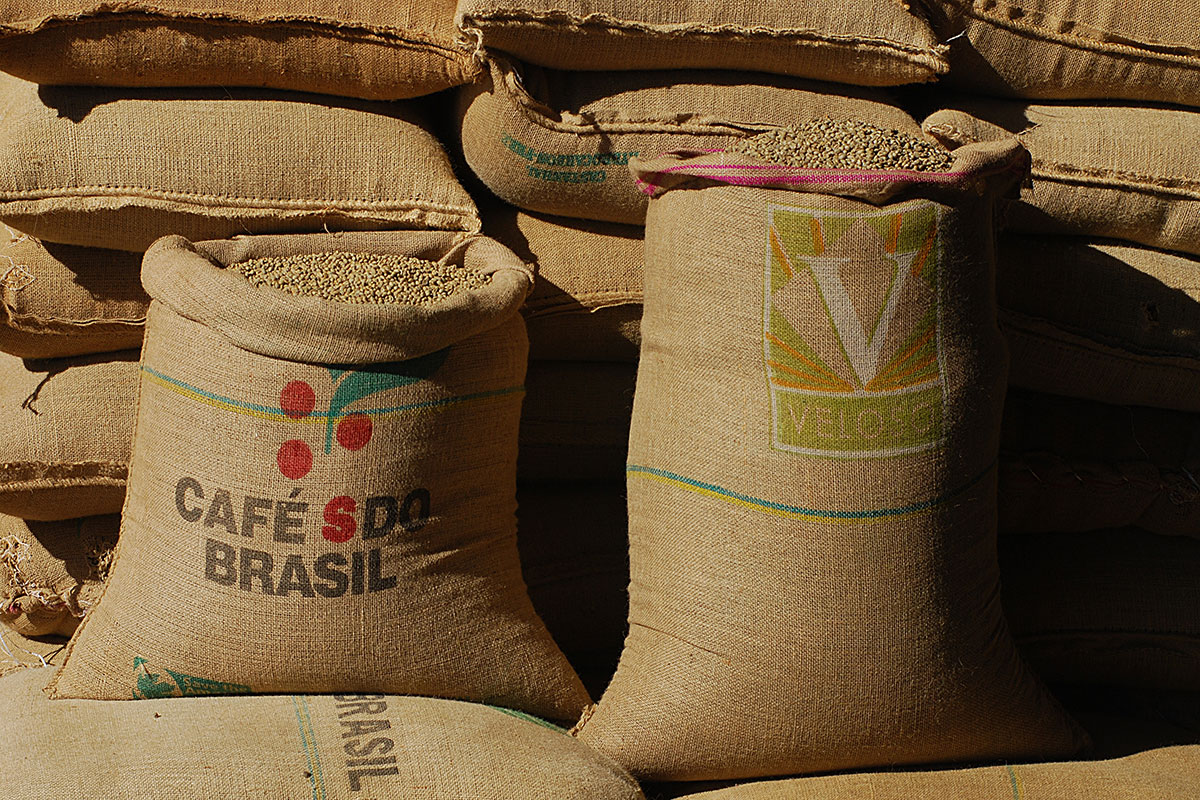
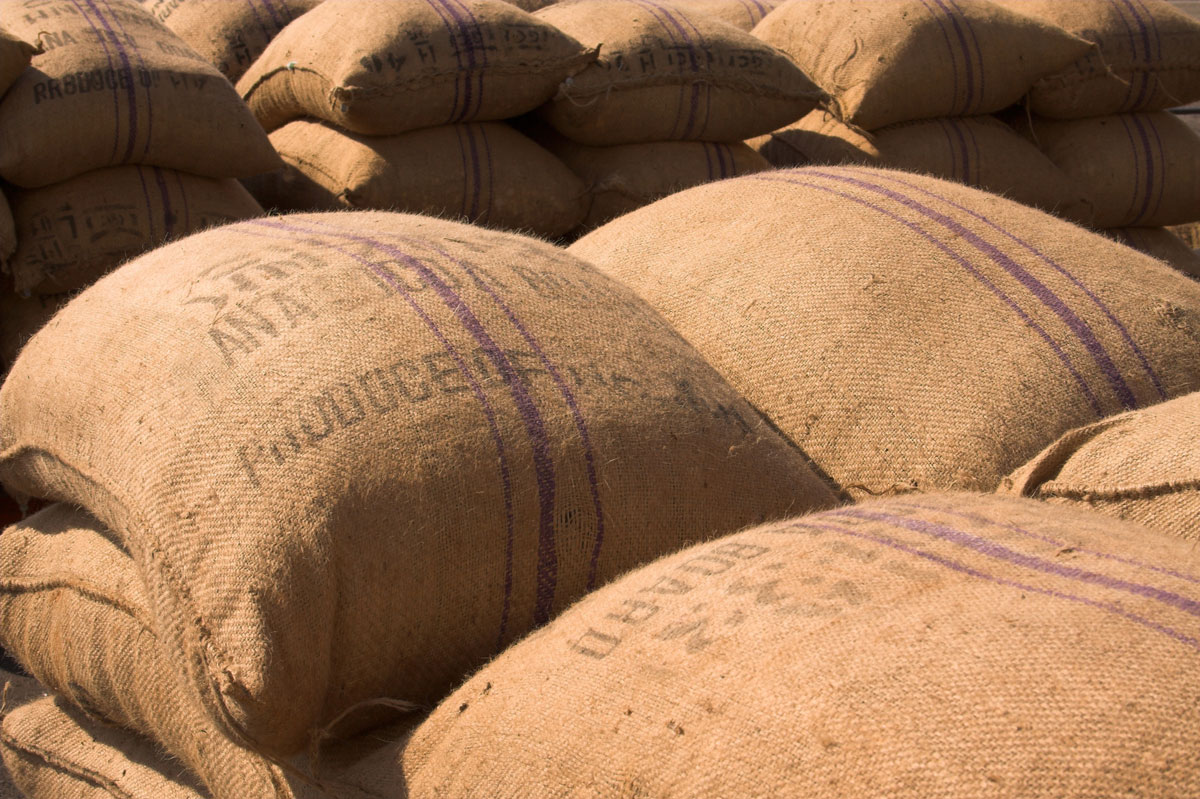
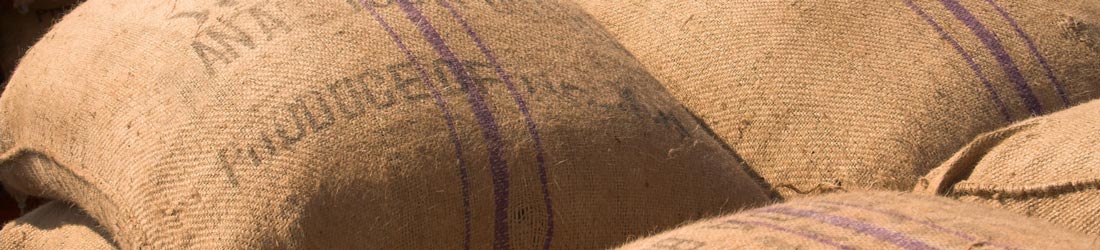
Coffee is mainly transported to the importing countries by ship. It is transported in 60 or 69 kilo jute bags and loaded onto containers. Bags are arranged to make the most of the container, but in a way that air can continue to circulate among the bags, thus preventing the occurrence of mold, condensation, or unpleasant odors.